Are You Being Replaced?
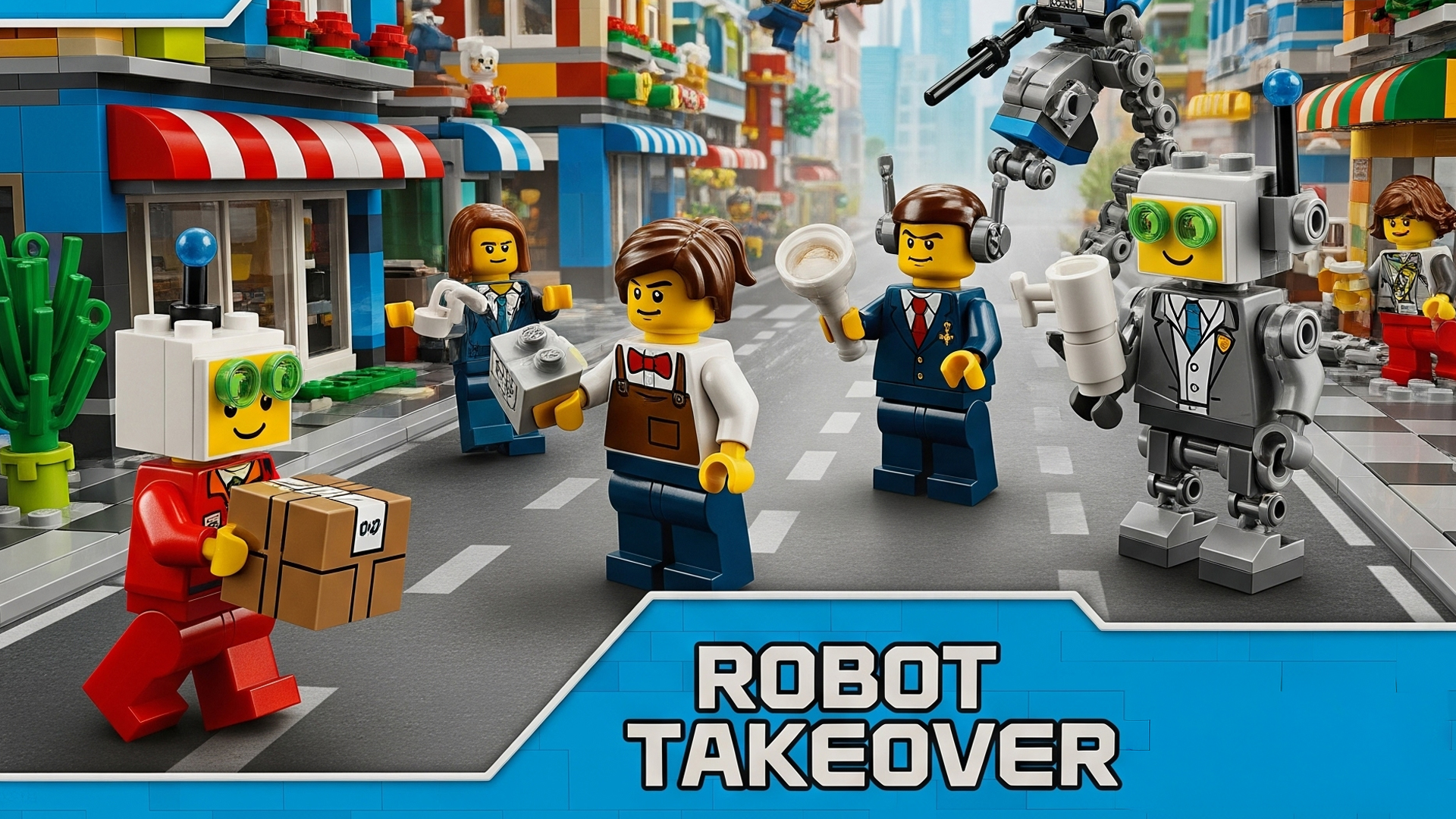
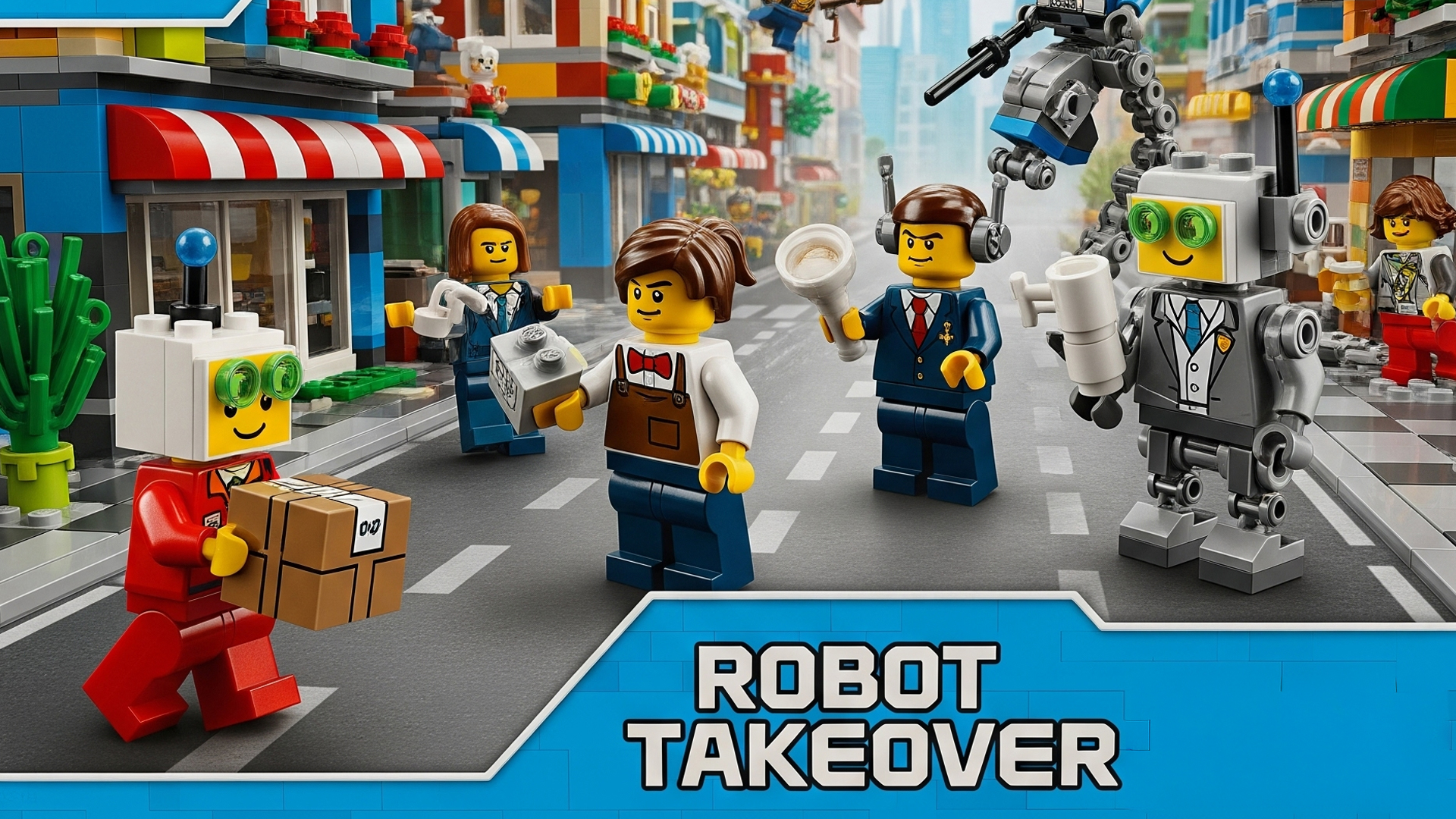
We're mid 20205 and we need to talk about AI. It's moving, and it's moving fast. We hear about it in every meeting, we read about it in every inbox, we use it in every workflow.
So, what does that really mean for our jobs?
And more importantly, what is it that makes us truly irreplaceable?
The real deal with AI
Let’s start with some fresh data. Microsoft recently analyzed over 200,000 conversations with Copilot to see where AI is actually making a difference. The results weren't as apocalyptic as you might think.
AI is making its biggest splash in knowledge-based roles: writers, data scientists, and customer service agents. Writers are using it for first drafts, data scientists are automating code, and customer service teams are getting instant policy answers. But here’s the key takeaway: in every case, AI is an augmenter, not a replacer. It’s like having a super-fast assistant, but you’re still the one making the final calls, shaping the story, and deciding what truly matters.
On the flip side, Microsoft identified 40 jobs it calls “AI-resistant.”
These are roles where Copilot isn’t making a dent: nurses, carpenters, phlebotomists, and even bridge tenders. What’s their common thread? Physical presence, hands-on dexterity, and—most importantly—emotional nuance. You can’t automate the way a nurse calms a patient or how a carpenter adapts to a tricky renovation. These jobs are thriving because they’re grounded in uniquely human skills.
But let’s not get too comfortable. I had a client in healthcare who saw this list and breathed a sigh of relief. "Phew, I'm safe!" she said. But then it hit her: even if her job isn't on the chopping block, the world around her is still changing. The real risk isn’t just being replaced—it’s being left behind if we don’t adapt.
The Five Human Skills AI Can’t Automate
So, if AI is here to stay, what keeps us relevant? This is where the Cognitive Agility Framework comes in. After years of coaching leaders through transformation, we've seen that the people who thrive aren't just the most technical; they're the ones who can flex, adapt, and connect in ways a machine can’t.
Here are the five core skills AI can't automate:
Flexible Thinking
This is the ability to shift between critical, creative, and systems thinking. An AI can crunch data, but it can’t reframe the story when new evidence emerges or sense what’s missing from the conversation.
Emotional Intelligence
Think of a childcare worker who reads a child’s mood without a word, or a leader who builds psychological safety so their team feels safe enough to speak up. AI can mimic empathy, but it can’t feel discomfort or build genuine trust.
Collaborative Intelligence
This goes beyond sharing files. It’s about a group thinking and sensing together, navigating ambiguity, and building shared meaning. AI can coordinate tasks, but it can’t foster the deep, relational glue that holds a team together.
Intuition
This is what I call “the quiet data”—that gut feeling rooted in years of experience that tells you when something is off, even when the numbers look perfect. An AI sees patterns; it can’t make value-based judgments.
Innovation
True creativity doesn’t come from remixing old ideas; it comes from making surprising connections and imagining what’s never been done. The best leaders are facilitators who hold space for emergence and trust their team’s collective intelligence.
Developing these skills isn’t about taking another online course. It’s a practice. When we shifted our business to a hybrid model after the pandemic, we leaned hard on systems thinking: mapping out connections, spotting bottlenecks, and encouraging our team to experiment.
It wasn't always smooth, but that’s the point. Cognitive agility is a muscle; the more you use it, the stronger it gets.
The new bottom line
In this new era, the bottom line isn’t just about efficiency. It’s about what I call “human compute”: your ability to bring presence, meaning, and context to your work. That’s what makes you irreplaceable. The best results in any field, from healthcare to software development, come from hubrid human-AI teams where the human qualities of curation, connection, and care drive real value.
So, where do you go from here?
My advice is simple: invest in learning. Not just technical upskilling, but in these five human skills. Seek out feedback, join communities, and don’t be afraid to pivot.
I’ve poured all of this into my new book, “BEING REPLACED: The Five Human Skills AI Can’t Automate.”
It’s a deep dive into each skill, filled with stories, exercises, and practical tools to help you stay ahead. You can grab your copy on Amazon, at TheHouseOfCoaching.com, or through my website, coachsteff.live.
Let's be the leaders who drive the change!